


Crude is trading near $100 a barrel. Diesel just cracked $6 a gallon for the first time in American history. Costco is rationing motor oil and its price has nearly doubled overnight. And Trump’s own answer, when asked when relief is coming, was to tell Americans not to expect it until after they’ve already voted in November.
Costco has begun rationing motor oil and sharply raising its price as a combination of war-driven crude shortages and Middle East shipping disruptions send oil markets into their worst stretch in years, just weeks before the midterm elections.
What’s Actually Happening at Costco
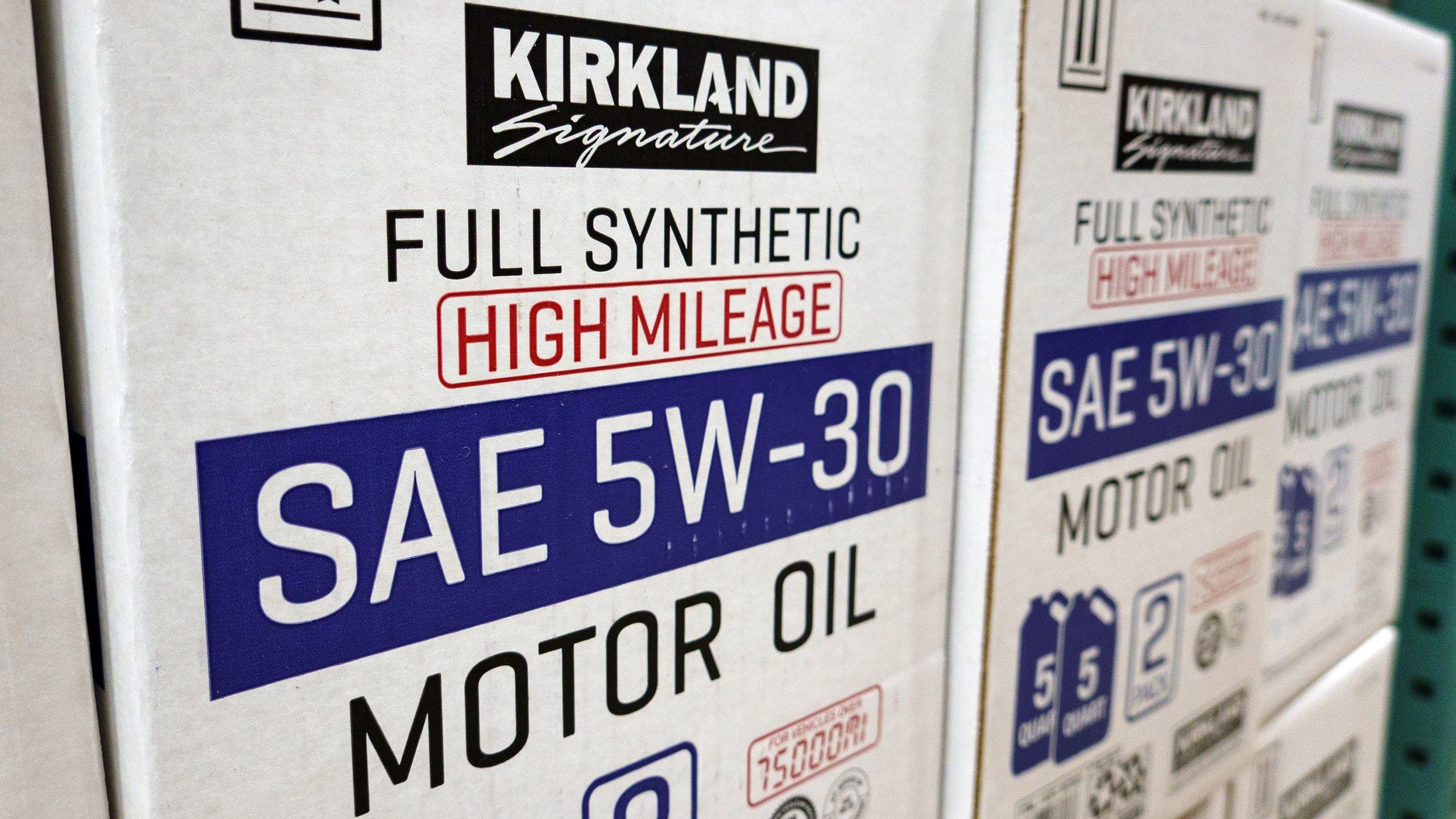
Ten quarts of Costco’s Kirkland Signature full-synthetic motor oil used to cost $30, with no limit on how much you could buy. That oil now costs $57.99, nearly double, and Costco has started limiting purchases to two containers per customer per week.
The mechanism behind the price spike is straightforward once you understand how oil refining actually works: motor oil comes from the exact same barrel of crude as gasoline and diesel. With crude oil trading around $100 a barrel, refineries make significantly more money turning that crude into fuel than into the motor oil sitting on Costco’s shelves. Motor oil production has also gotten more expensive on its own terms, as modern engines demand more sophisticated oil chemistry, more rigorous testing, and licensing fees automakers charge to put their branding on the box.
Why Oil Markets Are Spiraling
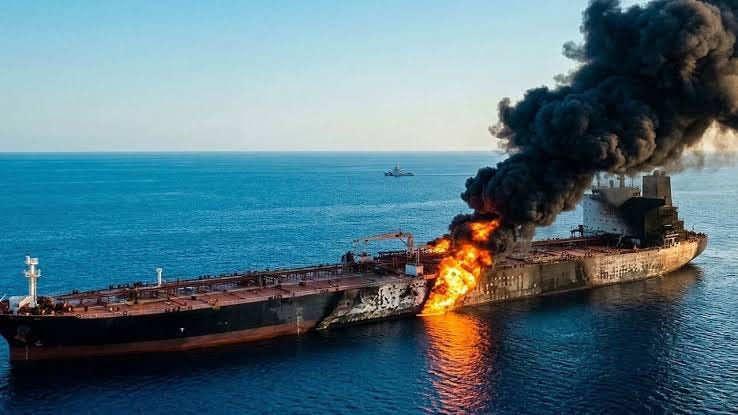
This isn’t happening in isolation. It’s the direct result of the ongoing US and Israeli war with Iran and the resulting fight over control of the Strait of Hormuz, one of the world’s most critical oil shipping chokepoints. That conflict alone has been driving prices upward for months.
Now it’s getting worse on multiple fronts simultaneously. Satellite imagery has shown smoke near Saudi Arabia’s East-West Pipeline, according to Reuters, a pipeline the kingdom relies on specifically to reroute its crude exports around Hormuz when that strait becomes too dangerous to use. If that pipeline goes down too, there’s no easy backup left.
At the same time, Yemen’s Iran-aligned Houthi forces have reached the island of Perim in the Bab el-Mandeb Strait, according to NPR, another critical Middle Eastern shipping lane that, if disrupted, would send further shockwaves through global oil supply chains. Between Hormuz, the Saudi pipeline, and now Bab el-Mandeb, nearly every major route oil has to reach global markets through the Middle East is under some form of active threat at the same time.
Diesel Just Hit a Record High
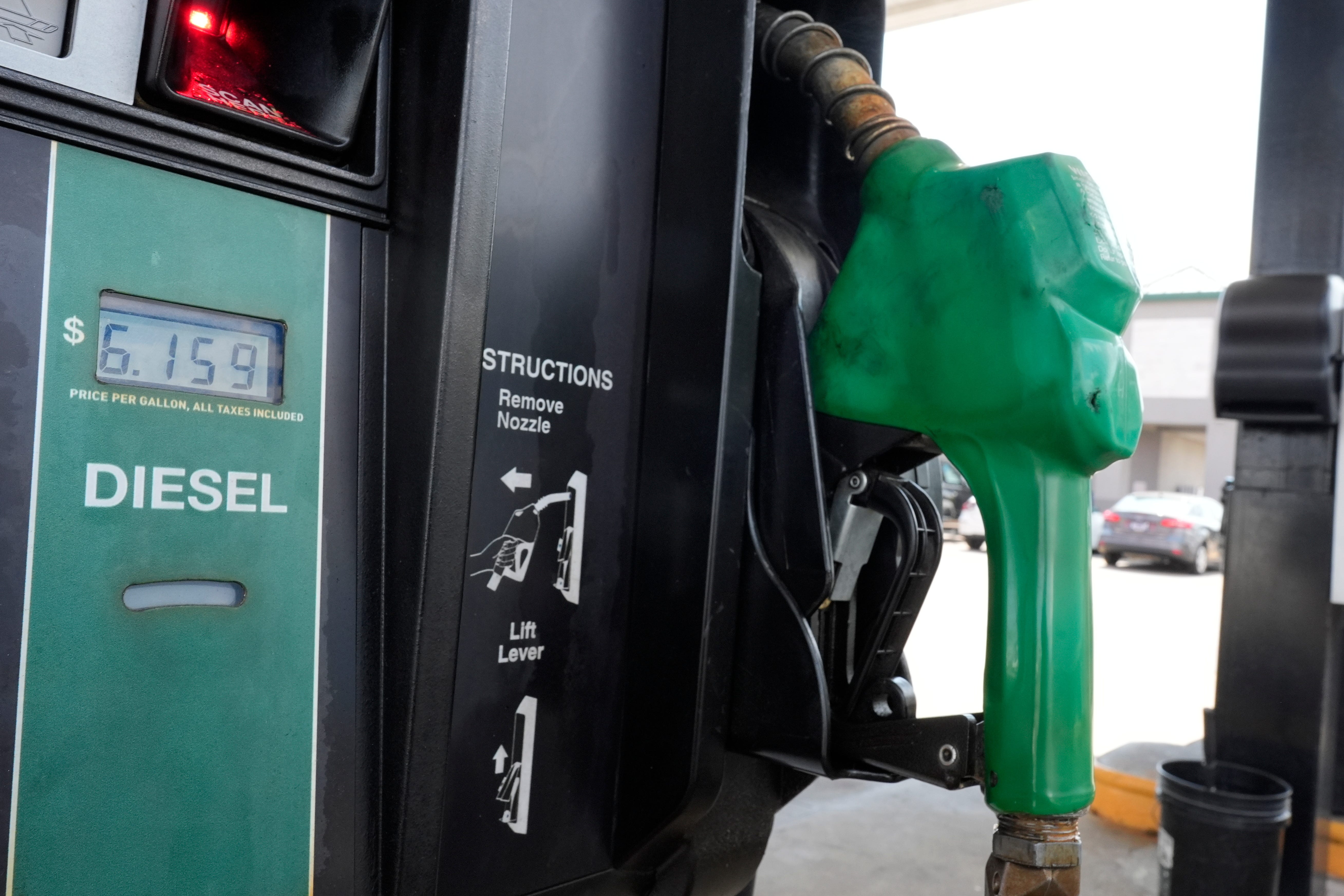
The consequences are already visible at the pump. Diesel prices have cracked $6 per gallon for the first time in American history, sitting at $6.06 according to AAA, an 8-cent jump in a single day and a 21-cent increase over the past week alone. That’s not a slow drift upward. That’s a price spiraling in real time, with diesel underpinning the cost of trucking, shipping, and virtually every physical good that reaches store shelves in the country.
Trump’s Own Answer: Don’t Expect Relief Until After You’ve Voted
Here’s the line that should define this story. Asked directly about when gas and oil prices might come down, President Trump said they won’t, not until after the midterm elections in early November.
That’s not a prediction forced out of him by hostile questioning. That’s the president’s own stated expectation, delivered in advance, that the pain at the pump and on store shelves will persist specifically through the exact window when voters are deciding whether to keep his party in power. Whatever the underlying geopolitical causes, actual wars, actual shipping disruptions, the administration’s own timeline for relief conveniently begins the moment ballots are already cast.
The Bottom Line
Crude near $100 a barrel. Diesel at a record $6.06 a gallon and climbing daily. Costco rationing motor oil at nearly double its previous price. Multiple critical Middle Eastern oil shipping routes under simultaneous threat. And the president himself telling Americans not to expect relief until the midterms are already over. Whether that timeline reflects genuine market realities or political convenience, it’s Trump’s own words setting the expectation, not reporters speculating on his behalf.