


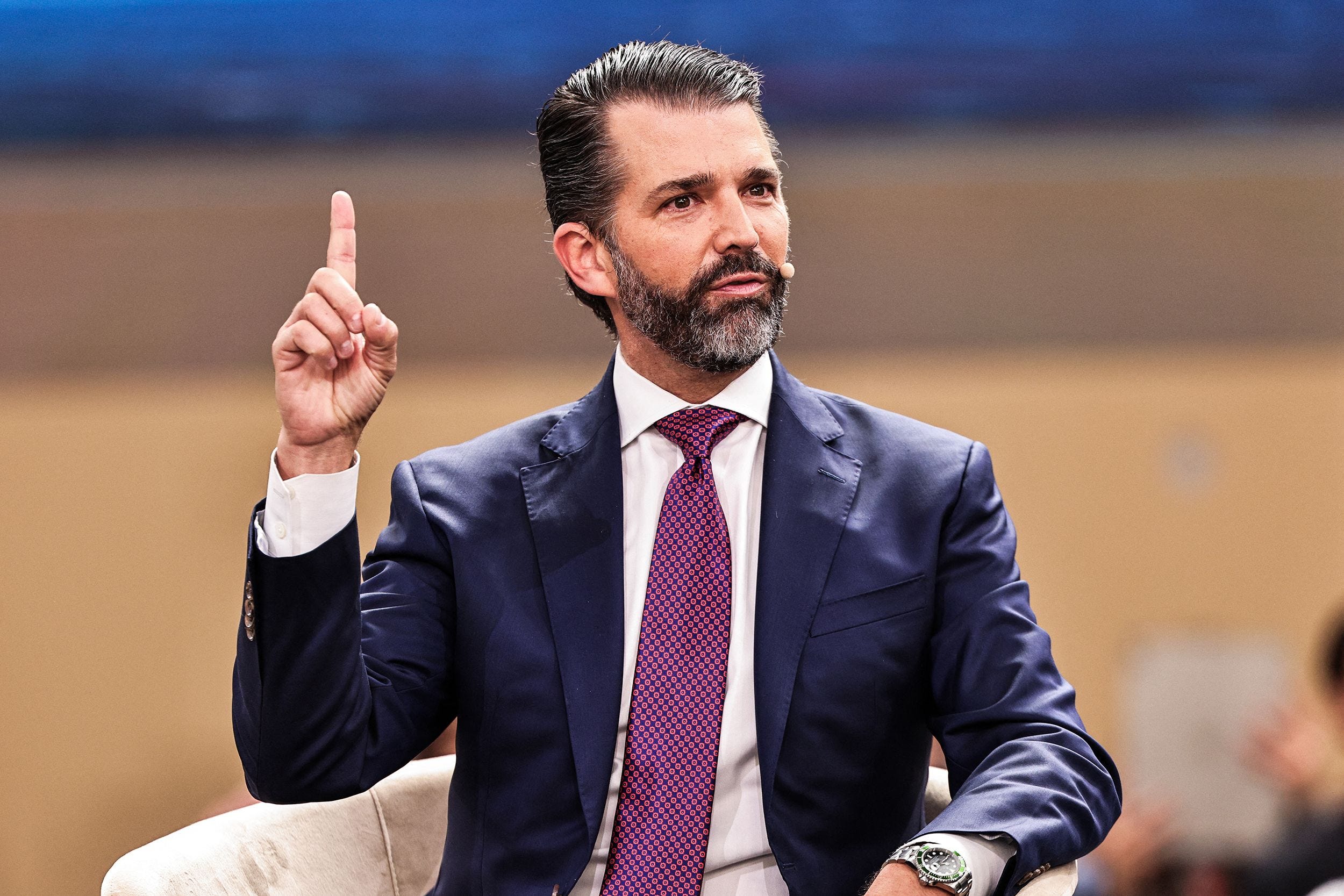
Donald Trump Jr.’s venture capital firm bought a stake in a two-year-old rare-earth startup. Three months later, the Pentagon handed that same startup the largest loan in the history of its entire lending office. It wasn’t a coincidence. A senior White House adviser and close friend of Trump Jr.’s personally ordered Pentagon staff to rush the deal through in weeks instead of the usual months.
Donald Trump Jr.’s venture capital firm, 1789 Capital, took a stake in Vulcan Elements in August 2025, a small North Carolina rare-earth magnet startup. Three months later, the Pentagon announced a $620 million loan to that same company, the largest loan in the history of its Office of Strategic Capital, after White House adviser Peter Navarro personally requested it.
The Timeline
The sequence here matters. In August 2025, 1789 Capital, a venture firm founded by pro-Trump donors in 2023 that Trump Jr. joined as a partner in 2024, invested in Vulcan Elements, then just a two-year-old company. The size of that stake hasn’t been publicly disclosed.
Three months later, in November 2025, the Pentagon’s Office of Strategic Capital announced a joint $700 million conditional loan commitment: $620 million to Vulcan and $80 million to its partner, ReElement Technologies. Vulcan also picked up an additional $50 million in incentives from the Commerce Department. That $620 million figure alone made it the largest loan the Office of Strategic Capital had ever issued.
Since the loan was approved, Vulcan’s overall market value has increased tenfold.
A White House Request
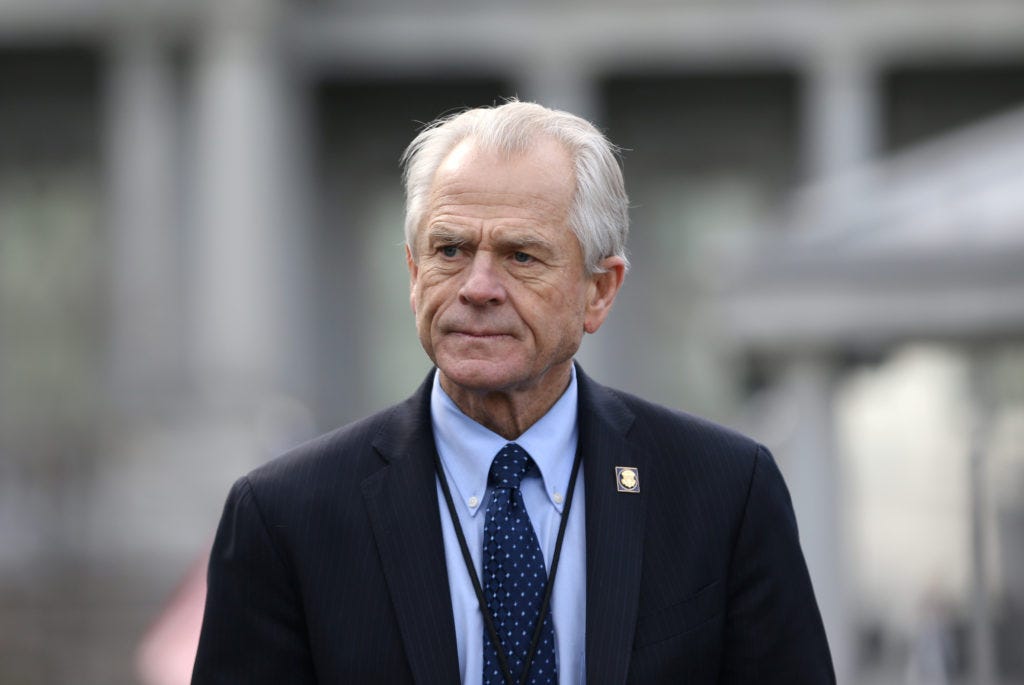
According to interviews and Defense Department records reviewed by ProPublica, the request to loan hundreds of millions of dollars to Vulcan came from Peter Navarro, a White House adviser to Trump and, notably, a personal friend of Trump Jr.’s.
Of the dozens of companies the Pentagon was considering funding at the time, an official at the Pentagon told ProPublica that Vulcan’s deal was the only one initiated by a top aide to the president. Staff in the Office of Strategic Capital learned of the White House request around September or October. Companies seeking this kind of funding are generally vetted for many months. Vulcan’s deal was completed in a matter of weeks, because staff were told it was a White House priority. “The call came from the White House: We have to get this done,” one person involved in the deal at the Pentagon said.
Asked directly about the deal being expedited, a Pentagon spokesperson offered only that defense officials balance “lightning speed with rigorous diligence to close high-impact deals that directly strengthen America’s defense and empower our warfighters,” a statement that doesn’t actually explain why this specific deal, tied to the president’s son’s investment firm, needed lightning speed in the first place.
Navarro and Trump Jr.’s Relationship
Navarro and Trump Jr. have a documented, personal friendship that predates this deal. Trump Jr. visited Navarro in prison while Navarro served time for defying a congressional subpoena tied to the January 6 investigation. Trump Jr. was one of a small handful of people Navarro dedicated his most recent book to, thanking them for having “my back when it was against the wall.”
And the timing gets even tighter: a week before the Vulcan deal was publicly announced, Trump Jr. hosted Navarro on his own streaming show, encouraging his nearly 2 million subscribers to buy Navarro’s book. That interview happened not long after Navarro had already told Pentagon staff to push the massive loan to Vulcan through, according to one of the defense officials involved in the deal.
Everyone Involved Denied Any Wrongdoing
When ProPublica’s reporting first surfaced, the responses were uniform and carefully worded. Trump Jr., through a spokesperson, said he wasn’t involved in the deal. The Pentagon said Trump Jr. played no role in it. Vulcan’s founder told reporters the company received no political favoritism.
None of those denials actually dispute the core finding: that Navarro, a sitting White House adviser and Trump Jr.’s personal friend, made the request that got Vulcan its loan, and that Pentagon staff were told to fast-track the deal specifically because it came down from the White House. Saying Trump Jr. “wasn’t involved” in initiating the request is a different claim entirely from saying the deal wasn’t influenced by his financial stake or his relationship with the person who made the request.
Congress and Watchdogs
This story has triggered real institutional pushback. Citizens for Responsibility and Ethics in Washington filed a formal complaint with the White House Counsel’s Office and the Defense Department’s Inspector General, urging an investigation into whether federal or DoD rules were violated.
A group of Democratic lawmakers, including Sens. Elizabeth Warren, Richard Blumenthal, and Mazie Hirono, along with Reps. Jason Crow and Mike Levin, sent a letter demanding answers from the White House, writing that ProPublica’s reporting “reveals a staggering level of corruption and influence peddling that superseded this process, enriching the President’s son at the expense of U.S. national security and taxpayer dollars.” A June 2026 follow-up letter from Crow and Warren’s offices noted this wasn’t an isolated incident either, describing a pattern in which the Defense Department “appears to be oblivious to, and therefore unable to address, the potential for corruption created by the Trump family’s investments in companies that stand to benefit financially from taxpayer-funded, DoD contracts.”
The Guardian has since reported that lawmakers are now seeking a broader review of contracts involving companies backed by Trump’s sons, extending well past this single Vulcan deal.
The Bottom Line
Donald Trump Jr.’s venture capital firm invested in a small, two-year-old rare-earth startup. Three months later, that startup received the largest loan the Pentagon’s Office of Strategic Capital has ever issued, a $620 million taxpayer-backed commitment, after a White House aide and personal friend of Trump Jr.’s personally intervened to get Pentagon staff moving at a pace records show was unlike any other deal under consideration at the time. The company’s value has since increased tenfold. Everyone involved says it’s a coincidence. The paper trail, timeline, and personal relationships involved say otherwise.