


The FBI has now admitted in federal court that it made training videos showing staff how to flag Epstein documents for a supervisor's review. Journalist Allison Gill says her sources told her documents naming Donald Trump were among the files that got flagged. The FBI is refusing to release any of the videos.
Trump promised the American people the Epstein files. His own FBI is fighting in court to keep the instructions for handling them secret.
What the FBI Just Admitted
On Oct. 2, the Justice Department filed a sworn declaration from a senior FBI records official in a lawsuit brought by Gill's company, MSW Media. It lists nine training videos, totaling about an hour and 13 minutes, made for the staff who reviewed and redacted the Epstein files.
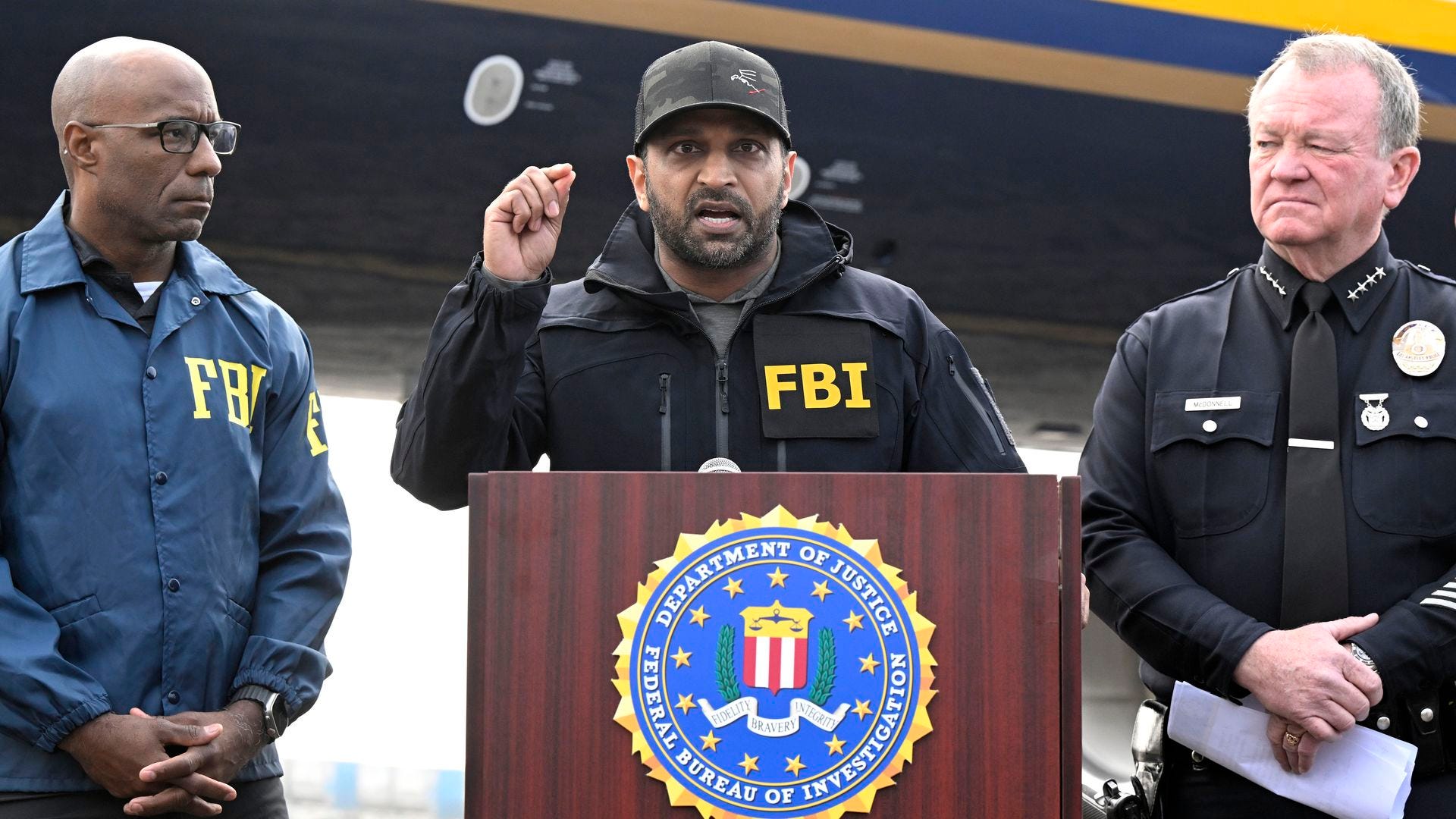
Two of them, Videos 5 and 6, are described as live demonstrations of how to flag a document on the FBI's internal SharePoint system for further review by a supervisor. Another shows staff how to access the Justice Department's list of victims' names. The FBI is withholding all nine in full, citing privacy, legal privilege and law enforcement techniques.
Where Trump Comes In
The FBI's filing does not say whose names triggered a flag. That part comes from Gill, who reported Sunday that sources confirmed the flagging videos covered documents with certain names, including Trump's. As IBTimes UK pointed out, that detail rests on her confidential sources until the footage is released.
But it is not a new claim. Back in July 2025, Democratic Sen. Dick Durbin wrote to then-Attorney General Pam Bondi that a whistleblower told his office reviewers were instructed to "flag" any records in which President Trump was mentioned. He demanded to know what happened to those records and whether anyone kept a log. Now the FBI has confirmed the flagging process was real.
1,000 Agents and a Rush Job
The flagging happened during a frantic push in March 2025. According to Durbin, Bondi pressured the FBI to put roughly 1,000 records staff on 24-hour shifts to comb through about 100,000 Epstein-related records. CNN reported that agents were pulled into overnight shifts to make redactions on a tight deadline.
Bloomberg later reported that the FBI redacted Trump's name and those of other high-profile people from files under review, citing privacy rules because they were private citizens when the investigation began in 2006. So Trump's name was flagged, by one account, and blacked out, by another. Americans still cannot see the rules that made it happen.
Stalling Until After the Election?
Gill's lawyers filed the FOIA request in July 2025 and sued in August when the government did not respond. She says the DOJ later asked for 90 more days to answer the lawsuit, which would have pushed it past the midterms, and the judge said no. She wrote that she could see why they wanted to hold this until after the midterms.
According to the FBI's own declaration, the bureau did not even run a fresh search for her request. It relied on a search it had already done for a different FOIA case. The election is Nov. 3.
What the Trump Administration Says
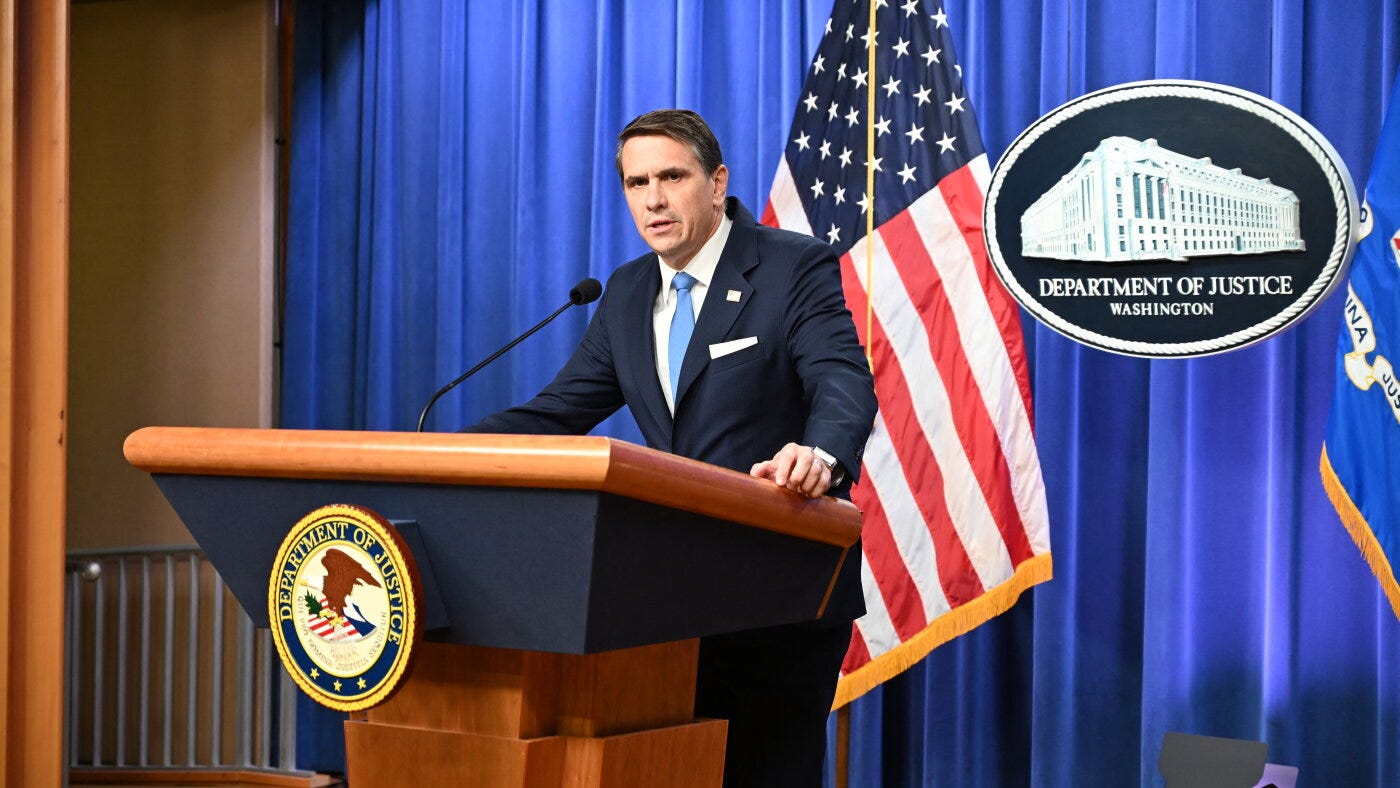
The FBI says the videos were made to carry out the Attorney General's order to protect victims' privacy and follow the law. It argues that releasing even parts of them would produce only disjointed fragments with almost no informational value.
When it released what it called the final batch of files in January, the Justice Department insisted it was not protecting Trump and said that notable individuals and politicians were not redacted. A supervisor review process does not, on its own, prove any document was improperly withheld. And appearing in Epstein's records is not evidence of a crime. Trump has not been charged with any wrongdoing related to Epstein.
Republicans Promised Transparency
The DOJ says it has released nearly 3.5 million pages under the Epstein Files Transparency Act. But the questions Durbin asked more than a year ago are still unanswered. What happened to the files that mentioned Trump? Who reviewed them? Was there a log?
Todd Blanche, Trump's former personal defense lawyer, is now the Attorney General overseeing this fight. A separate federal judge ruled on Sept. 30 that a watchdog group's Epstein records requests deserve expedited processing because of possible questions about government integrity. If there is nothing to hide, release the videos.
The Bottom Line
The FBI built a system to send certain Epstein files up the chain for a supervisor's eyes, and a Senate whistleblower and Allison Gill's sources both say Trump's name was part of it. The Trump administration could clear this up today by releasing about 73 minutes of video. Instead, Republicans are fighting in court to keep it hidden until after voters go to the polls.
Sources: FBI declaration in MSW Media v. DOJ (Shannon R. Hammer), MSW Media / Mueller, She Wrote (Allison Gill), IBTimes UK (Ma. Kyla Morco), Sen. Dick Durbin's letter to AG Bondi, CNN, Bloomberg, NPR, Ballotpedia.