



Tierra Walker knew she wouldn’t survive her pregnancy. She told her doctors that, repeatedly, for months. They didn’t act. She died at 37, twenty weeks pregnant, from a condition doctors call “eminently treatable.” Her family is now suing Ken Paxton directly, in the first lawsuit to tie a Texas woman’s death straight to the abortion ban he’s spent his career defending.
The family of Tierra Walker, a Texas woman who died in 2024 during her pregnancy, has sued the state’s Republican attorney general Ken Paxton, along with the doctors and hospital system that treated her, arguing that an abortion could have saved her life and that Texas’s near-total abortion ban is unconstitutional.
She Told Them She Wouldn’t Survive
Walker, 37, was 20 weeks pregnant when she died in December 2024, two days after her final hospital visit for symptoms of preeclampsia, a potentially fatal pregnancy complication marked by dangerously high blood pressure. The standard treatment for severe preeclampsia is immediate delivery of the baby, which at 20 weeks would functionally mean an abortion.
According to the lawsuit filed Tuesday in Bexar County, Walker had been asking for termination of her pregnancy for months, despite it being a wanted pregnancy, because she didn’t believe she would survive carrying it to term. “For months, Ms. Walker had been asking for termination of her pregnancy, even though this was a wanted pregnancy, because she did not think she would survive the pregnancy,” the lawsuit states. “Tragically, she was right. An abortion at any point during her pregnancy would have saved her life.”
A medical examiner determined Walker died from hypertensive cardiovascular disease compounded by preeclampsia.

Doctors Knew She Was in Danger
This isn’t a case where the lawsuit is speculating about what medical staff should have known. According to the complaint, University Health staff explicitly noted in her own records that Walker was “at high risk of clinical deterioration and/or death,” and separately documented that her pregnancy was a “barrier” to her care. The lawsuit alleges that even after writing that down, staff at the University of Texas Health Science Center at San Antonio and the affiliated hospital “continued to do nothing.”
Her doctors refused her repeated requests for an abortion even though, the lawsuit argues, she was experiencing a medical emergency that legally qualified for an exception under Texas’s abortion laws. That’s the central legal claim here: this isn’t necessarily a story about the ban’s exception not existing on paper. It’s about doctors declining to act on an exception that, according to the family, plainly applied.
Why Paxton Specifically Is Named
Paxton isn’t a bystander to Texas’s abortion enforcement regime, he’s one of its chief architects and defenders. He’s built a significant part of his tenure as attorney general around aggressive anti-abortion enforcement, including suing over abortion pills and personally defending the state’s ban in court. Just this year, a New York judge dismissed one of his legal efforts to enforce a civil judgment against a doctor accused of prescribing abortion pills across state lines, a case widely seen as testing the limits of blue-state “shield laws” protecting abortion providers.
The lawsuit against Paxton lands directly in the middle of his U.S. Senate campaign against Democratic state Rep. James Talarico, putting his signature policy legacy under direct legal and public scrutiny in the exact months voters are deciding whether to send him to Washington.
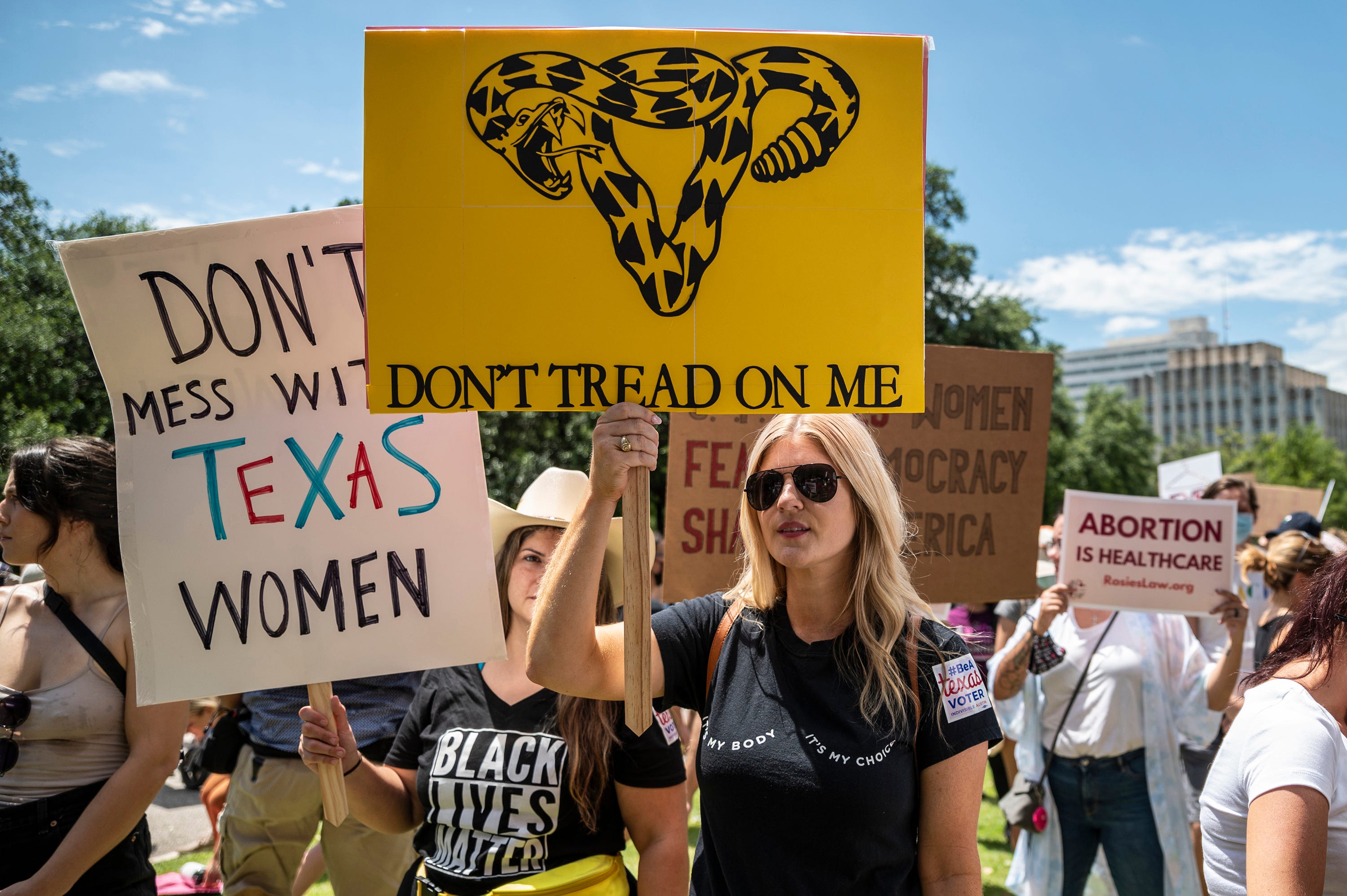
Part of a Documented Pattern in Texas
Walker’s case isn’t an isolated tragedy. The Texas Tribune has separately reported that Walker specifically was told by doctors at a San Antonio-area hospital that there was “no emergency,” even as her preeclampsia continued to deteriorate her condition until it killed her. That reporting sits alongside a broader pattern of Texas maternal health rollbacks: San Antonio’s city government recently shut down its own abortion travel fund after a new state law banned government-supported funds that help residents travel out of state for the procedure, and federal funding cuts have already stripped away half of Texas’s Planned Parenthood clinics, even as those remaining locations continue seeing thousands of patients a year.
The Bottom Line
Tierra Walker spent months telling her doctors she believed she would die without an abortion. Her medical records show staff knew she was at high risk of death and documented her pregnancy as a barrier to her own care. She died anyway, from a condition doctors widely consider treatable, at 20 weeks pregnant. Her family is now suing the man who has spent his career building and defending the legal wall that, they argue, stood between her and the care that could have saved her life.