


Ken Paxton wants Texans to believe he’s suddenly the guy who’s going to crack down on data centers and their tax breaks. What he’s not telling voters: he personally voted those tax breaks into existence back in 2013, right around the time a tech company handed him 100,000 shares of stock. The SEC called that stock a disguised commission. Paxton called it a gift.
Republican Senate candidate Ken Paxton is campaigning across Texas on a promise to crack down on AI data centers and roll back their tax breaks. What his campaign doesn’t mention: as a state lawmaker, he personally voted those tax breaks into law, around the same time he was accepting 100,000 shares of stock from a company positioned to benefit from them.
The Vote, and the Timing That Doesn’t Add Up
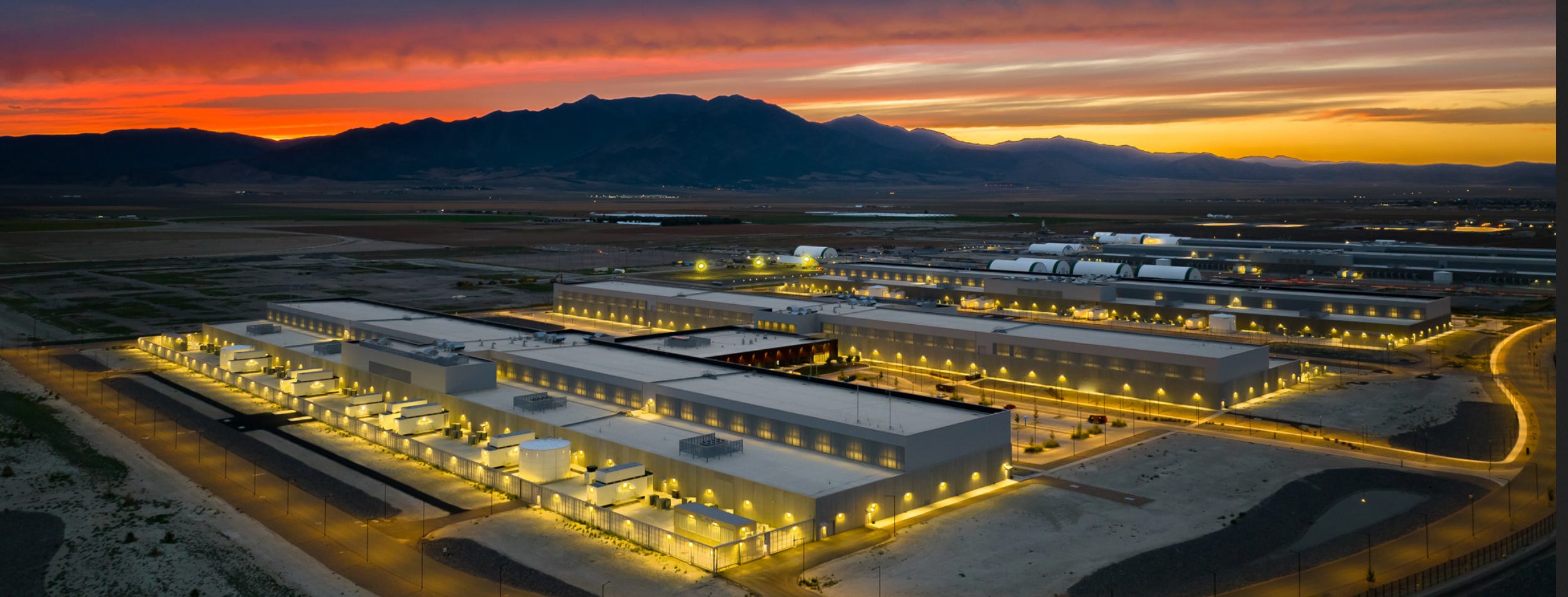
In 2013, Paxton, then a freshman state senator, voted for legislation creating tax exemptions for Texas-based data centers. At the time, data centers mostly handled basic internet infrastructure and cloud storage. The rise of AI has since exploded the cost of that decision: the Texas Tribune reported the 2013 tax breaks are now projected to cost the state more than $3 billion in lost sales tax revenue over just the next two years.
One company positioned to indirectly benefit from those new tax breaks was Servergy, a Texas tech company that marketed what it called a “revolutionary” energy-efficient server, one its CEO claimed could compete directly with Hewlett-Packard, IBM, and Dell for space in large data centers, the exact facilities Paxton’s vote had just made more profitable to build in Texas.
The “Disguised Commission” of 100,000 Shares
At the time of his vote, Paxton was personally invested in Servergy’s success. According to a 2016 SEC lawsuit, he’d been issued 100,000 shares of Servergy stock as compensation for recruiting investors to the company, and Paxton’s own financial disclosures confirm he held at least 10,000 shares of Servergy stock in both 2012 and 2013, with the 2012 disclosure filed just weeks after his tax-exemption vote.
Paxton’s own account of how he got the shares, given to investigators, sounds almost too convenient: he said he met Servergy’s CEO, William Mapp, at a Dairy Queen in McKinney, Texas, in 2011, and tried to personally invest $100,000 in the company. Mapp allegedly refused the money, telling Paxton, “I can’t take your money. God doesn’t want me to take your money,” and gave him 100,000 shares instead. Paxton told investigators the stock was simply a gift.
The SEC didn’t buy that framing. “The shares were not a gift but, instead, a sales commission paid to compensate Paxton for the investors he recruited,” the lawsuit argued, accusing Paxton of knowingly or recklessly failing to disclose that commission to the investors he was recruiting on Servergy’s behalf, and stating that Paxton, Mapp, and another Servergy employee had engaged in conduct that “operates or would operate as a fraud.”
What Actually Happened to the Case
The SEC’s lawsuit against Paxton personally was dismissed in 2017, after a federal judge ruled the agency had failed to adequately allege that Paxton had a legal duty to disclose the compensation to investors. Servergy’s CEO, Mapp, wasn’t so fortunate: he was found liable for misleading investors and ordered to pay a $22,500 civil penalty that same year.
The SEC dismissal didn’t end Paxton’s legal exposure. A Harris County grand jury separately indicted him on three felony counts of securities fraud tied directly to the Servergy scandal. Those charges were dropped in 2024, after Paxton agreed to complete 100 hours of community service and pay restitution to the investors involved. He also faced a 2023 impeachment trial on unrelated whistleblower allegations that he’d used his office to help a campaign donor under federal investigation; the Texas Senate acquitted him.
A Greedy Trader
None of that history appears to have changed Paxton’s investment habits. His most recent financial disclosure, filed August 13, shows he currently holds between $1.8 million and $6.8 million across eight mutual funds with direct exposure to data centers, AI companies, and the chipmakers that supply them, including major positions in funds holding Nvidia, Broadcom, Apple, Microsoft, Amazon, Google, and Meta, along with a fund invested directly in data center developers Prologis and Equinix.
Jamie Williams, a coordinator with Sunrise Movement Austin, called the holdings “sickening” and “gross,” adding: “But it’s what I see with politicians all the time.”
Beyond his personal portfolio, Paxton’s Senate campaign has taken in at least $448,000 from tech interests that stand to benefit from continued data-center expansion, according to reporting cited by The Lever. His opponent, Democratic state Rep. James Talarico, didn’t hold back in a statement responding to the reporting: “Ken Paxton has taken nearly half a million dollars from data center companies. In the legislature, he awarded data centers billions of dollars in tax handouts. As Attorney General, he has ignored Texans asking him to help block data center development in their community and done nothing to hold data centers accountable.”
His Attorney General Actions Tell a Similar Story
While campaigning against data centers, Paxton’s actual conduct as sitting Attorney General has cut the other way at times. Last November, his office filed an amicus brief supporting the city of Sulphur Springs in its legal fight to build a massive data center, one that’s since partnered with a developer to construct one of the largest such facilities in the country. Separately, commissioners in at least one Texas county have been waiting more than six months for a legal opinion from Paxton’s office on whether they even have the authority to temporarily halt data center development in their community. Paxton’s campaign did not respond to a request for comment on any of this reporting.
Ken Paxton wants Texas voters to see him as the candidate who’ll finally hold data centers accountable. The record shows something different: he personally voted the underlying tax breaks into existence in 2013 while holding stock in a company positioned to benefit, stock the SEC alleged was really a disguised commission for recruiting investors. He still holds millions in data-center and AI-adjacent investments today, his campaign has taken hundreds of thousands from the same industry, and as sitting Attorney General, he’s sided with data center developers at least once already. The tax breaks he now says he wants to roll back are ones he helped write into law.