


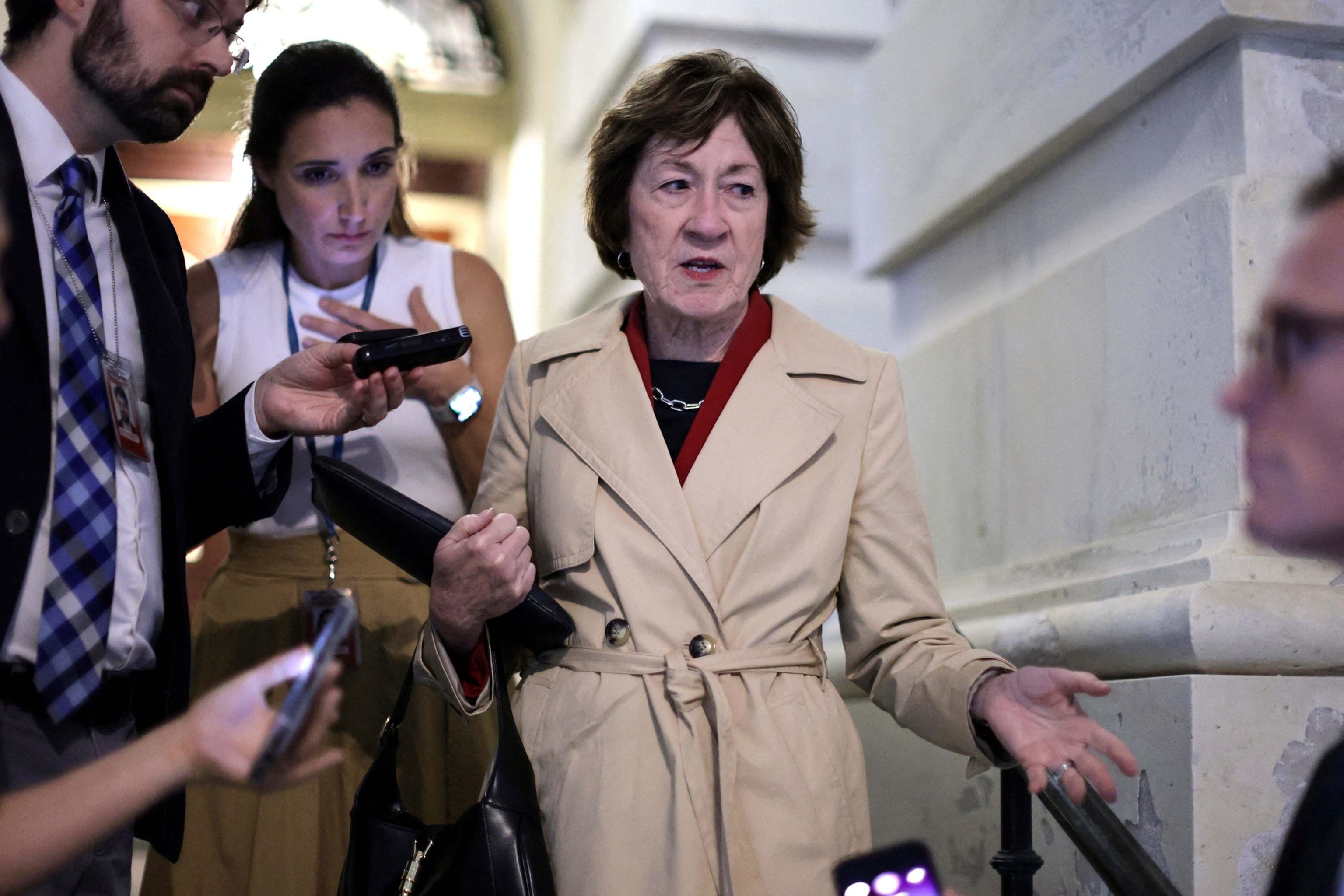
Martin Kao hid a $150,000 donation to Susan Collins’s super PAC behind a fake women-in-science charity. Two months later, he emailed his team that Collins’s office had committed $32 million in Navy funding. Then he told the FBI the whole thing was a pay-to-play scheme. Agents wanted to open a bribery probe. Trump’s purge of the FBI’s anti-corruption unit killed it first.
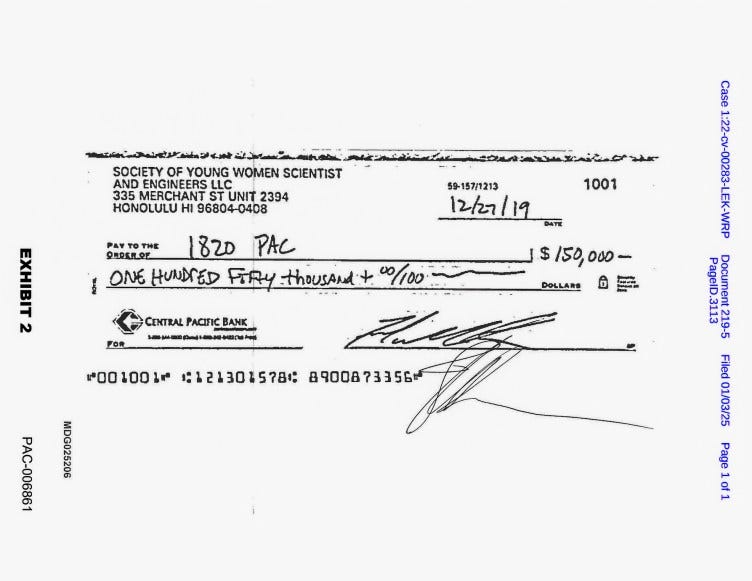
Martin Kao, the former CEO of Hawaii defense contractor Navatek, secretly routed $150,000 to the Collins super PAC through a shell company in late 2019. Two months later, according to an internal company email, he told Navatek executives that Collins had committed to getting the company $32 million in naval contracts.
The Coffee Shop Meeting
In late 2019, Collins was facing the toughest race of her career. Scott Reed, head of her super PAC, met three Navatek executives at a Corner Bakery near the Capitol and asked for $500,000. Collins had already helped Navatek land a multimillion-dollar Navy research contract in Maine the year before.
According to Kao’s later account to the FBI, Navatek wanted Collins to guarantee tens of millions in additional federal funding if it cut a big check. Kao wanted assurance Collins would know where the money came from. Reed confirmed she would, Kao said, and that Navatek would get its contracts.
Federal contractors are banned from making political donations. So Kao created a shell company with a fake mission: the “Society of Young Women Scientist and Engineers.” He told Reed about the plan in writing. Reed’s reply: “Very smart and glad your counsel understands. Thanks for doing this.”
Seven days after the super PAC cashed the check, one of Reed’s staffers emailed Navatek’s lobbyist asking for Kao’s number: “Senator Collins would like to call Martin to thank him.”
“Total of $32M Will Be Supported”
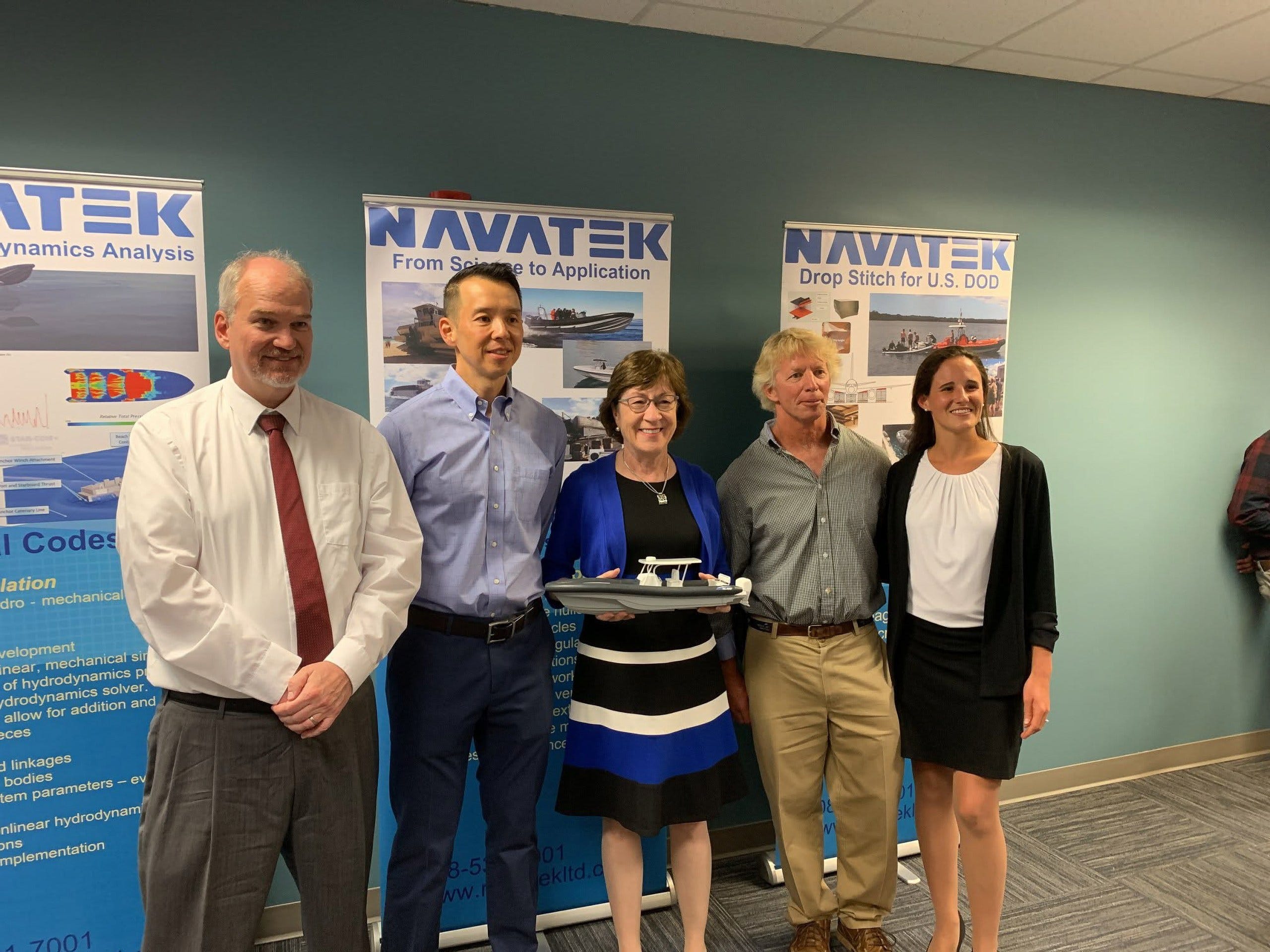
A few weeks after the check cleared, in February 2020, Kao’s team met with Collins’s office. His email to colleagues afterward: “We were very warmly received. Excellent meeting. Total of $32M will be supported.” Records show the Senate allocated at least $10 million that year based on Navatek’s proposals.
This wasn’t the first time money and contracts moved together. In 2018, Kao’s out-of-nowhere donations to Collins landed right before she put $8 million for Navatek’s proposal into the defense budget. Navy emails show her office then pushed the Navy to send that money to Navatek specifically, even though awards are supposed to be competitive. “I spoke with Sen. Collins office regarding the $8M,” a naval official wrote. “The interested company is Navatek.”
In 2019, Kao funneled roughly $33,000 more to Collins through relatives acting as straw donors, according to his indictment. Collins’s campaign finance director, after Kao sent his father’s name and address to absorb excess contributions, wrote back: “This is perfect. We are so grateful for ALL the Kao support!” Less than a month after Collins toured Navatek’s Maine facility that summer, a Senate draft budget included $21.5 million for Navatek’s projects.
Kao told the FBI that in a private meeting before that tour, Collins told him: “You’ve seen me deliver.”
Taxpayers Paid for Research the Navy Didn’t Want
Kao told agents Navatek’s government work had no real value. Former employees agreed. One Maine project produced a record-setting 3D-printed boat the Navy had no plans to use. “The boats weren’t delivered to the Navy,” a former employee said. “The Navy didn’t even want them.”
Kao also said Navatek paid for its lobbying and political donations with money from its government contracts. In other words, taxpayers funded the donations that allegedly bought more taxpayer money.
When a watchdog group flagged the shell company in 2020, Kao went into damage control with Reed and the super PAC’s lawyer, Cleta Mitchell. Mitchell suggested the fake charity start handing out scholarships, “particularly, perhaps in Maine, where the bad press was.” Mitchell later became a central figure in Trump’s effort to overturn the 2020 election.
Kao pleaded guilty to illegal campaign contributions and pandemic loan fraud and is now serving 87 months in federal prison.
Trump Gutted The FBI Unit Investigating It
After his plea, Kao sat with FBI agents for days and handed over a 50-page road map naming lobbyists, staffers, and members of Congress he said traded contracts for cash. Agents found much of it matched the records they’d seized. By late 2024, they had enough to seek a broader bribery probe and asked Kao extensive questions about Collins.
Then Trump returned. Kash Patel’s FBI purged the anti-corruption unit handling the case agent by agent. One of the agents who took Kao’s confession was fired for her work on the January 6 investigation. The investigation is dead.
The Bottom Line
Collins’s office called Kao’s claims “outlandish,” said her campaign wasn’t part of his talks with the super PAC, and said the campaign returned his illegal donations after learning of them. The FBI told ProPublica it previously “found nothing implicating Senator Collins.” Collins was never charged. ProPublica has since published a follow-up disputing some of her office’s claims.
Both Reed and the campaign finance director are still running Collins’s money operation in her 2026 reelection race, which could decide control of the Senate.
A defense contractor hid $150,000 for Collins’s super PAC behind a fake charity. Collins called to thank him. Weeks later, her office signaled $32 million in support for his company, whose Navy research went nowhere. The man who paid says it was bribery. The agents who wanted to find out were purged. And the people who took his money are running her campaign again.