


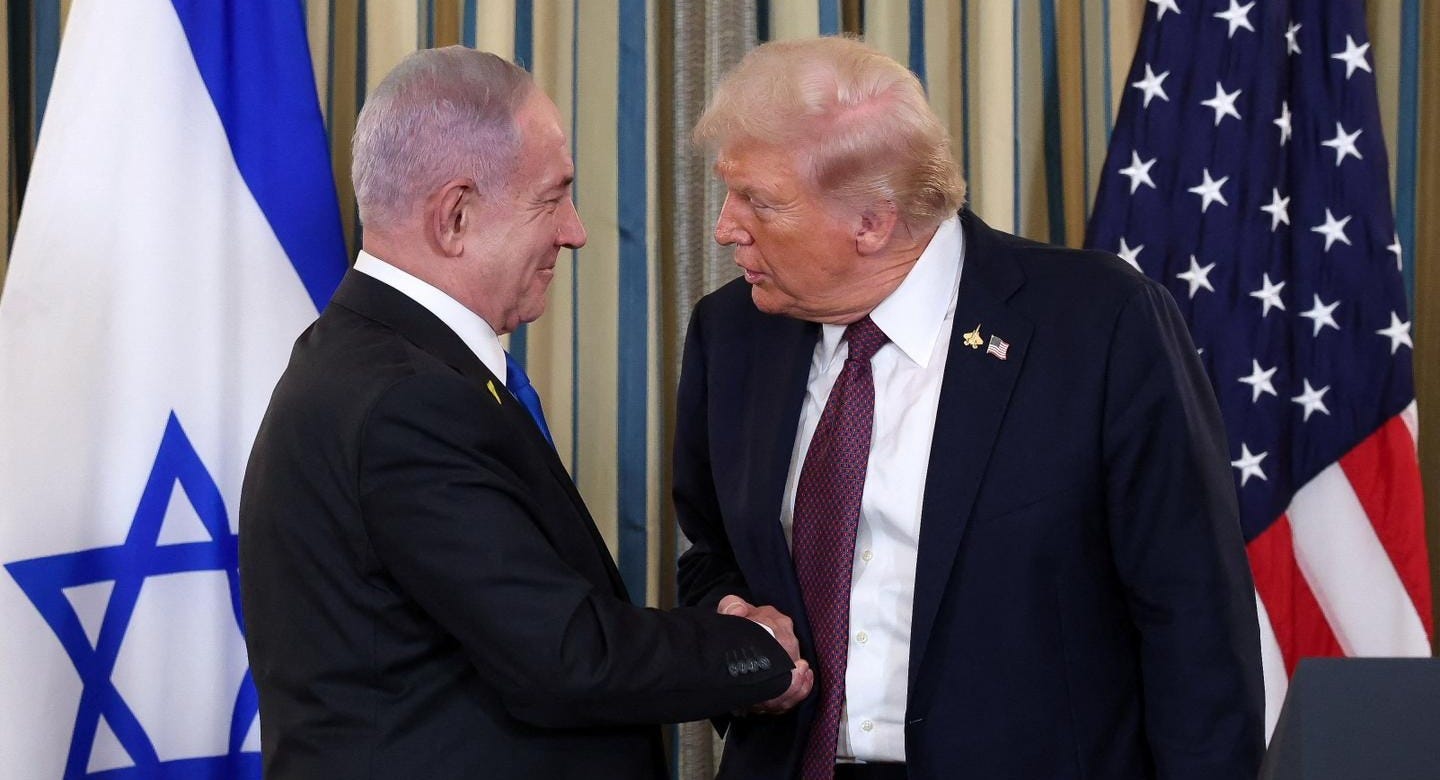
Biden froze a shipment of 2,000-pound bombs in 2024 specifically because he worried they’d kill too many civilians in Gaza. Trump lifted that freeze the moment he took office. Now his administration wants to sell Israel 40,000 more of them, paid for with U.S. taxpayer dollars, the largest single sale of these bombs to Israel in years.
The Trump administration is planning to deliver powerful 2,000-pound bombs to Israel as part of an upcoming $2.8 billion arms deal, the same weapons whose delivery the Biden administration paused two years ago over fears they’d cause mass civilian casualties in Gaza.
What’s Actually in This Deal
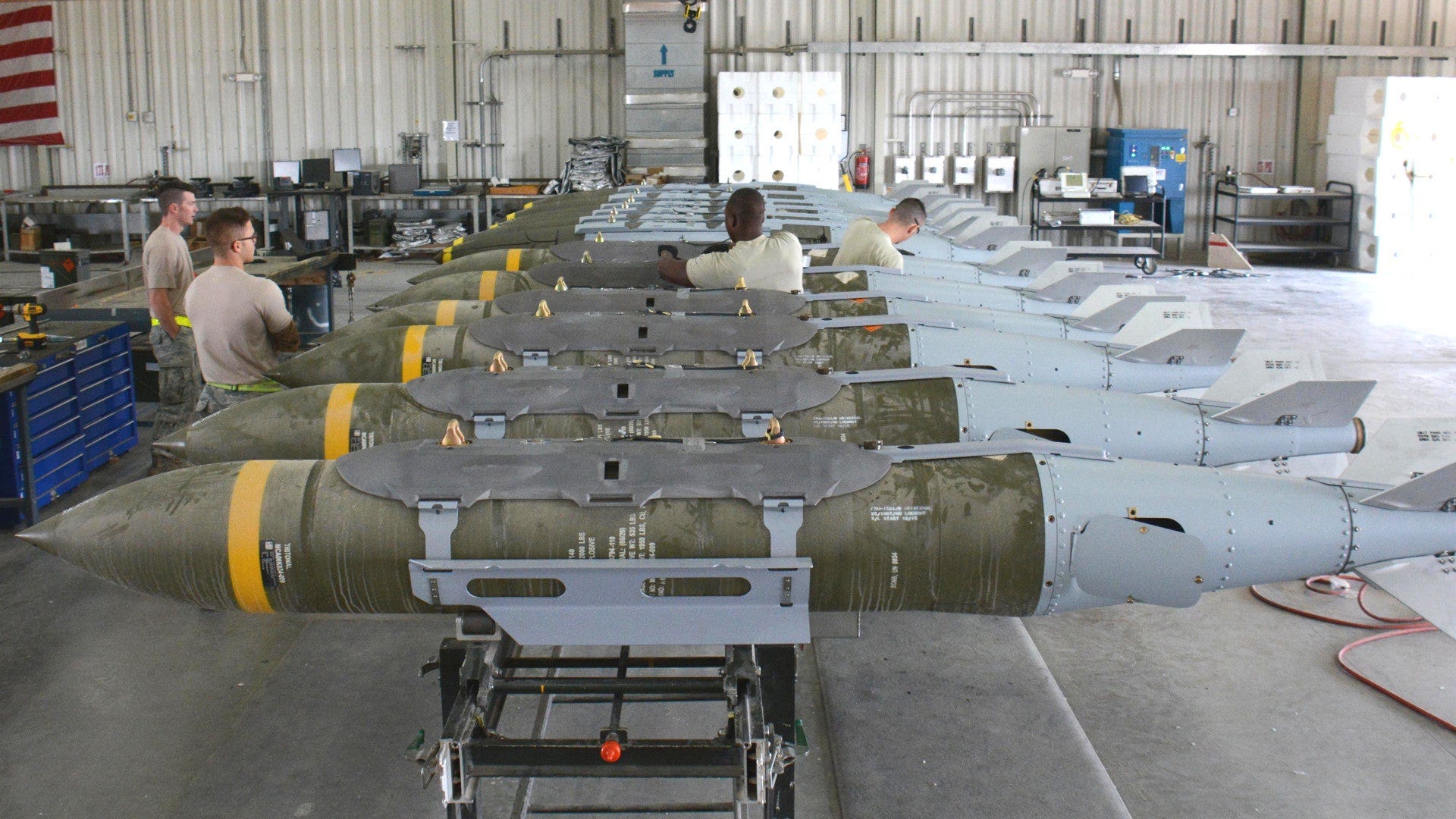
The package includes 40,000 of the bombs combined, 20,000 Mk84s and 20,000 BLU-117s, according to two U.S. officials and a person familiar with the plan who spoke to the Associated Press on condition of anonymity. Congress has been informally notified about the pending deal, though it isn’t yet final. Most of it will be paid for through Foreign Military Financing, the mechanism under which U.S. taxpayer dollars are handed to Israel so it can turn around and buy the weapons directly from the United States. In plain terms: American taxpayers are footing the bill for the bombs being sold to Israel.
According to the Washington Post’s reporting on the same deal, this would be the largest single sale of 2,000-pound munitions to Israel in recent years, and such bombs have already been used hundreds of times in both Gaza and Lebanon. Deliveries for an order this size can take multiple years to complete.
These Are the Exact Bombs Biden Paused Over Civilian Casualty Fears
This isn’t a new or unrelated weapon. In spring 2024, the Biden administration paused a shipment containing 1,800 2,000-pound bombs and 1,700 500-pound bombs specifically because officials worried the larger munitions could cause extensive civilian casualties if used during a major Israeli offensive, particularly the anticipated assault on Rafah in southern Gaza. A 2,000-pound bomb can rip through thick concrete and metal, producing a wide blast radius capable of causing extensive damage well beyond its immediate target.
Trump ended that pause almost immediately upon taking office. “We released them. We released them today. And they’ll have them. They paid for them and they’ve been waiting for them for a long time. They’ve been in storage,” Trump told reporters aboard Air Force One. Asked directly why he was releasing bombs his predecessor had specifically withheld over mass-casualty concerns, Trump’s answer wasn’t about the underlying safety concerns at all: “because they bought them.”
This Deal Is the Latest in a Long, Escalating Pattern
This proposed sale doesn’t stand alone. Last year, the Trump administration bypassed the normal congressional review process entirely, invoking emergency authority to approve a nearly $3 billion sale to Israel that included more than 35,500 Mk84 or BLU-117 bomb bodies. Then in January 2026, the administration approved a further series of arms sales to Israel totaling $6.67 billion. In between, the State Department separately notified Congress of more than $7 billion in additional weapons, including thousands of small-diameter bombs, 500-pound bombs, guidance kits, and 3,000 Hellfire missiles, just two days after Trump met with Israeli Prime Minister Benjamin Netanyahu at the White House.
Added together, the Trump administration has now approved roughly $12 billion or more in major military assistance to Israel within a single year, on top of this newest $2.8 billion request. The new package alone would include 4,500 more bomb bodies than last year’s already-massive sale, while increasing the number of I-2000 Penetrator warheads, designed to punch through deep underground targets, fivefold, from 4,000 to 20,000.
The Human Cost This Keeps Circling Back To
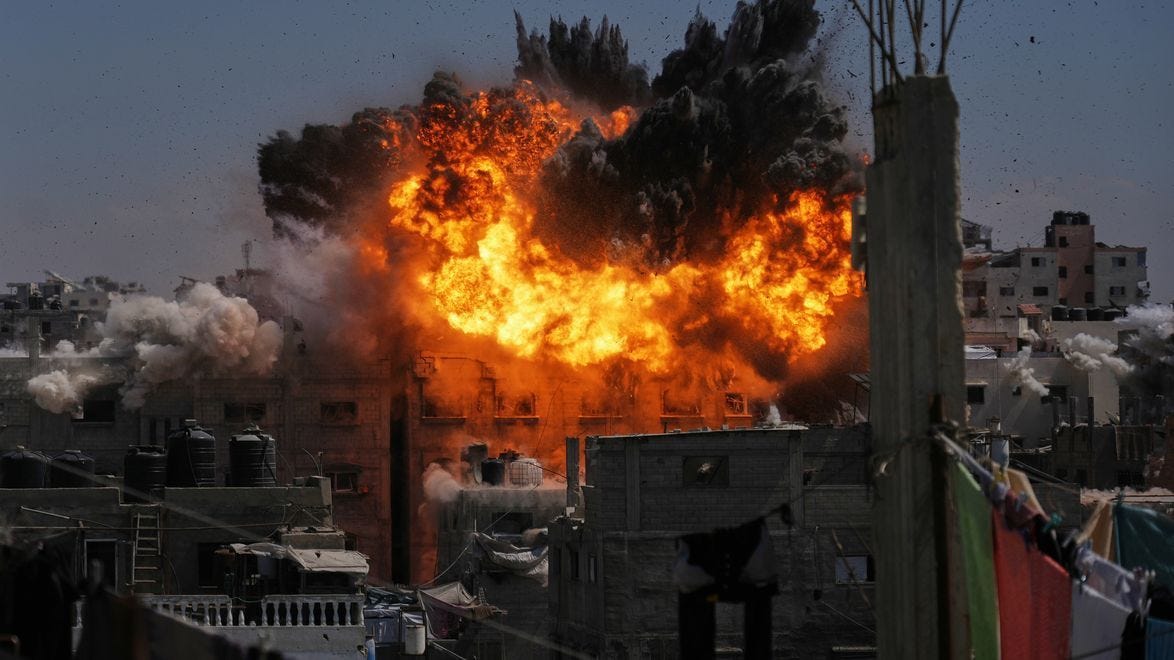
None of this is happening in a vacuum, removed from consequences. Israel’s military campaign in Gaza has killed tens of thousands of Palestinians and devastated the enclave, the exact humanitarian catastrophe that made Biden pause this specific bomb shipment in the first place. When asked about concerns over civilian casualties tied to this newest deal, a senior administration official offered only a procedural non-answer: “All foreign arms sales are moving through the appropriate process. We do not comment on pending sales.”
That’s a response that addresses the paperwork, not the death toll the previous administration explicitly cited when it tried to slow this exact flow of weapons down.
The Bottom Line
The Trump administration is moving to sell Israel 40,000 of the same 2,000-pound bombs that Biden froze specifically because of mass civilian casualty concerns in Gaza, funded through a mechanism that routes American tax dollars into the purchase. It’s not an isolated decision. It’s the latest step in a pattern of expanding, accelerating weapons transfers that have already topped $12 billion in a single year, unfolding alongside a war that has already killed tens of thousands of Palestinians. When pressed on the safety concerns that originally justified holding these weapons back, the administration’s answer was a shrug about paperwork.